
When you donate to a charitable cause, you likely imagine your money going directly to the programs and services that make a difference. But did you know that a percentage of your contribution could end up in the hands of a professional fundraiser rather than the charity itself? The annual “Pennies for Charity” report, released by Attorney General Letitia James on December 2, highlights on this crucial aspect of charitable giving.
“New Yorkers have a proud tradition of giving and they deserve to know that their hard-earned donations are being used responsibly,” said Attorney General James. “I encourage everyone to consult my office’s tips for charitable giving before making donations this holiday season, and my office will continue to protect donors and support the critical work of nonprofit and charitable organizations across our state.”
The 2023 charitable giving campaigns in New York raised $1.5 billion
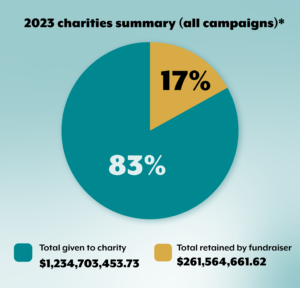
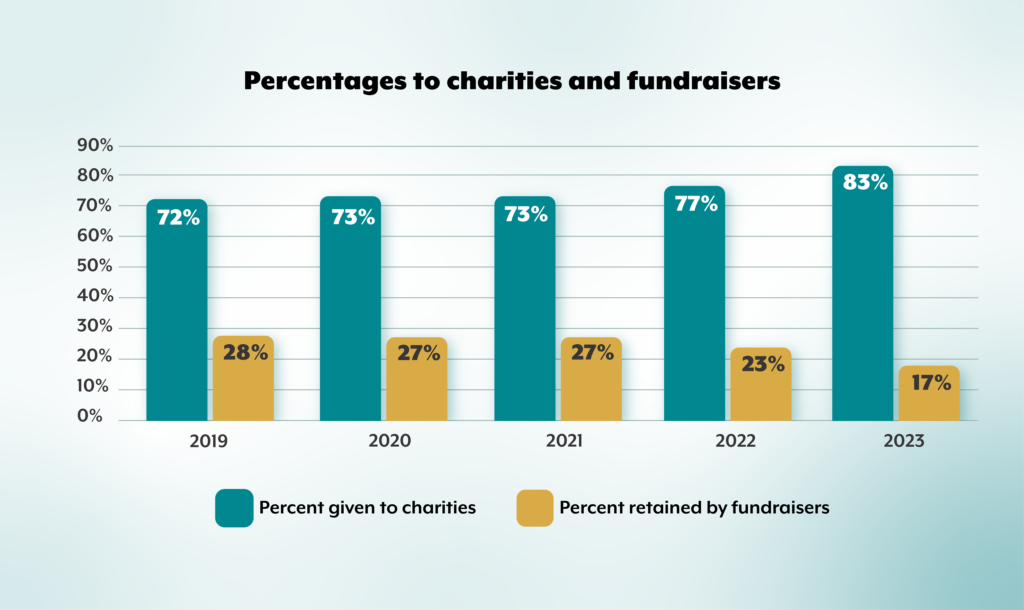
The 2023 charitable giving campaigns in New York raised an impressive $1.5 billion, reflecting an increase of $5.8 million compared to 2022. However, professional fundraisers retained 17% of these funds to cover their fees and campaign costs. While this marks an improvement from 23% in 2022, it still highlights the need for donors to ask questions and make informed choices.
- Gross receipts for 2023 campaigns: $1,496,268,115.35.
- Charities received over $1.234 billion.
- Professional fundraisers retained more than $261 million.
- In 46% of campaigns, charities received less than 50% of the funds raised.
- 16% of campaigns resulted in expenses exceeding revenue, costing charities over $26 million.
Charities are a Pillar of New York’s Communities and Economy
Charities play a vital role in New York’s social and economic fabric. As of October 2024, nearly 100,000 charities were registered with the state’s Charities Bureau. These organizations contribute to diverse causes, from disaster relief to animal welfare, and provide essential support to millions of New Yorkers.
The Role of Professional Fundraisers
Many charities collaborate with professional fundraisers to tap into their expertise in donor outreach. While these partnerships can significantly boost fundraising efforts, they come with a cost. Professional fundraisers typically retain a percentage of the funds they help raise, and in some cases, their fees may consume a substantial portion of donations. This year’s report shows progress, with fundraisers retaining a smaller share of the total funds compared to previous years. However, transparency remains essential.
Why Nonprofits Should Avoid Performance-Based Fee Fundraising Firms
For nonprofits and charities, the use of performance-based fee agencies—where payment is tied to a percentage of the funds raised—is strongly discouraged. While it might seem like an attractive incentive model, it raises significant ethical concerns and can undermine donor trust.
The Association of Fundraising Professionals (AFP) ethical guidelines as well as the The Ethical Principles of The Giving Institute explicitly advise against this practice for several reasons:
- Donor Misconceptions: Donors typically assume their contributions are directly supporting the cause, not compensating a consultant or agency. Using a percentage of their donations to pay fees can discourage and alienate donors.
- Short-Term Focus: Performance-based models may incentivize consultants to prioritize immediate gains over long-term sustainability and relationship-building. This can hinder the development of robust systems that benefit the organization in the future.
- Trust and Transparency: Trust is the foundation of donor relationships. Paying consultants a percentage of funds raised can create the perception of unethical practices, potentially damaging the organization’s reputation.
Instead, nonprofits should focus on sustainable fundraising practices and use traditional payment models for consultants. By budgeting carefully for consulting fees, organizations can ensure their efforts align with their mission and donor expectations while fostering long-term success.
Contact us to see how we can help you grow your organization ethically and fairly. Together, we can build sustainable strategies that align with your mission and values. Let’s work together to create impactful and lasting change.
Making Informed Decisions as a Donor
The “Pennies for Charity” report is a valuable tool for understanding how your donations are allocated. Before contributing, consider these steps:
- Research Fundraising Costs: Use the Pennies for Charity database to review a charity’s track record. If a charity receives only a small percentage of funds raised, investigate further.
- Consult Additional Resources: Organizations like Charity Navigator, ProPublica, and Charity Watch provide insights into charities’ effectiveness and financial health.
3. Ask Questions: Don’t hesitate to inquire about how your donation will be used. Transparency is a hallmark of trustworthy organizations.
Supporting Charities that Align with Your Values
Charitable giving is a powerful way to make a difference, but it’s important to ensure your contributions are impactful. By doing your homework and choosing organizations that align with your goals, you can maximize the value of your donations and support causes that matter to you.
To learn more, access the full 2024 Pennies for Charity report here.
Your generosity fuels positive change—let’s make sure every penny counts.